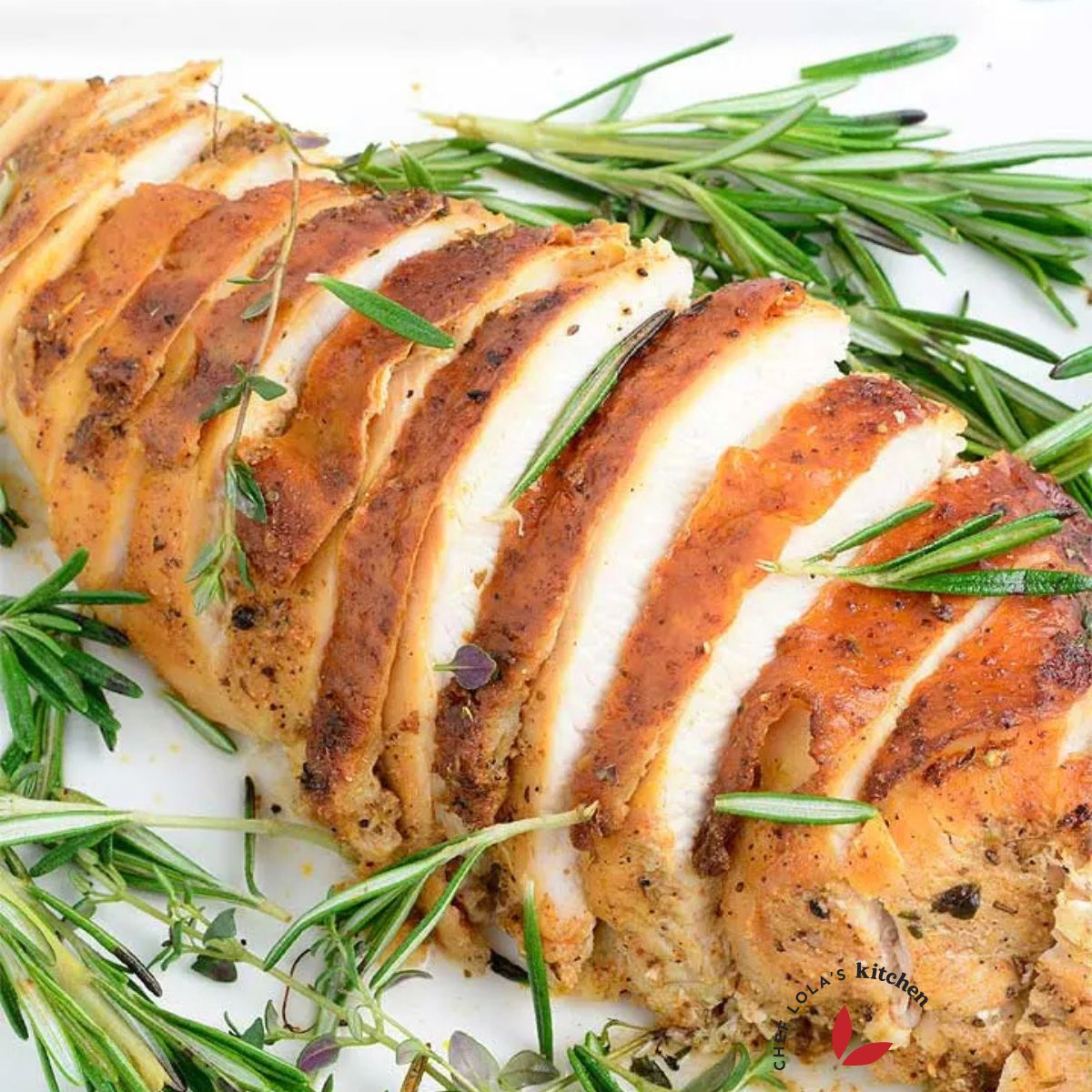
Why Choose Roasted Turkey Breast for Your Next Meal?
Forget the stress and intimidation of roasting a whole turkey, especially if you're hosting a smaller gathering or simply craving that succulent turkey flavor without the monumental effort. The truth is, a perfectly roasted turkey breast delivers all the flavor and juiciness you desire, in a much more manageable package. Whether it's Thanksgiving for two, a cozy holiday dinner, or a delicious weeknight meal, mastering this roasted turkey breast recipe is a culinary game-changer.
Opting for a turkey breast over a full bird offers numerous benefits: it saves money, requires less fridge space, cooks significantly faster, and minimizes effort. A typical turkey breast is ideally sized to feed two to three people generously, often leaving delicious leftovers for sandwiches or future meals. This approach ensures you get that coveted crispy skin and tender, flavorful meat every time, making it an ideal choice for both seasoned cooks and beginners alike.
Beyond Thanksgiving: A Versatile Protein for Any Occasion
While often associated with festive holidays, a simple, delicious roasted turkey breast recipe is incredibly versatile. It's an approachable protein that can elevate any fall or winter dinner, providing a wholesome and satisfying meal without the fuss. Imagine the delightful aromas filling your kitchen as a golden-brown turkey breast emerges from the oven, ready to be carved and enjoyed.
The Secret to Success: Herb Butter & The Bone-In Advantage
The foundation of an unforgettable roasted turkey breast lies in two key elements: a flavorful herb butter and the strategic choice of a bone-in cut. These aren't just details; they're the pillars that guarantee maximum flavor and moisture.
Unlocking Flavor with Herb Butter
Our star ingredient, the herb butter, is more than just a seasoning—it's a flavor infuser and a moisture protector. By slathering this aromatic blend both under and on top of the skin, you ensure every bite of meat is incredibly juicy and full of savory goodness, while simultaneously promoting a beautifully crispy skin.
Crafting Your Herb Butter:
- Combine softened unsalted butter with finely minced garlic, a generous pinch of salt and freshly ground black pepper.
- Add a medley of fresh herbs like rosemary, thyme, and sage, finely chopped. These classic poultry herbs complement turkey beautifully.
- Mix everything until well combined. You can prepare this herb butter ahead of time and store it in the refrigerator; just let it come to room temperature before application for easier spreading.
Application Techniques:
To maximize the impact, gently loosen the skin of the turkey breast using your fingers, being careful not to tear it. Take a generous spoonful of the herb butter and carefully spread it directly onto the meat, underneath the skin, covering both sides of the breast. This allows the butter to directly infuse the meat as it cooks. Then, spread the remaining herb butter generously all over the outside of the turkey breast, ensuring an even coating that will crisp up beautifully.
The Bone-In Difference: Juicier, More Flavorful Meat
When it comes to selecting your turkey breast, we highly recommend opting for a bone-in cut, preferably with the skin on. While boneless options exist, the bone plays a crucial role in achieving a superior result.
- Enhanced Flavor: The bone itself contributes to a deeper, richer flavor profile as the turkey roasts.
- Increased Moisture: Bones act as natural insulators, helping to conduct heat evenly and prevent the meat from drying out. This results in significantly juicier meat compared to its boneless counterpart.
- Size Variations: Bone-in turkey breasts typically come in larger sizes, often sold as a half breast or a full breast (two halves joined at the bone). A 3-pound bone-in turkey breast is ideal for feeding two to three adults with potential leftovers.
While you can use a boneless, skin-on turkey breast for this recipe, be prepared to adjust your cooking time as it will cook faster due to its smaller size and lack of bone. Regardless of your choice, always aim for skin-on to achieve that irresistible crispy exterior.
Sizing Your Turkey Breast:
As a general guideline, plan for 1 ½ pounds of turkey breast per person if you desire leftovers, or 1 pound per person if you don't. This particular roasted turkey breast recipe is designed for a 3-pound turkey breast, which is perfect for a small family or intimate gathering, but the principles can easily be scaled up or down.
Mastering the Roast: Temperature, Time, and Techniques
Achieving that "perfectly roasted" label isn't just about ingredients; it's about precision in cooking. This section demystifies the roasting process, guiding you to a tender, juicy result every time.
Essential Preparation Steps:
- Thaw Completely: Ensure your turkey breast is fully thawed before you begin. This is critical for even cooking.
- Pat Dry: Using paper towels, pat the turkey breast thoroughly dry on all sides. This crucial step helps create that desirable crispy skin.
- Initial Seasoning: After applying the herb butter, a final light sprinkle of salt and pepper on the exterior can further enhance flavor and texture.
- Pan Placement: Place the prepared turkey breast in a shallow baking dish or on a rimmed sheet pan. Using a rack within the pan can promote even air circulation, leading to crispier skin all around.
The Roasting Process: Temperature and Timing
For a reliable and delicious result, we recommend roasting your turkey breast at 350°F (177°C). This temperature allows for consistent cooking without drying out the meat too quickly. As a rule of thumb, plan for approximately 20 minutes of cooking time per pound for a bone-in turkey breast. So, a 3-pound breast would typically take around 60 minutes.
However, remember that these are guidelines. The ultimate indicator of doneness is the internal temperature.
The Golden Rule: Internal Temperature is King
The most critical tool in your arsenal for this roasted turkey breast recipe is an instant-read meat thermometer. Insert it into the thickest part of the breast, making sure it doesn't touch the bone. The turkey is done when it reaches a minimum internal temperature of 165°F (74°C). Many experienced cooks prefer to remove the turkey from the oven when it's just shy of 165°F (around 160-162°F), knowing that it will continue to cook a few degrees as it rests—a phenomenon known as carry-over cooking.
The Indispensable Rest Period:
Once your turkey breast reaches the target internal temperature, resist the urge to carve immediately! This resting period is just as vital as the cooking itself. Loosely cover the turkey breast with aluminum foil and let it rest for at least 10-15 minutes, or even up to 20 minutes for a larger breast.
Why is resting so important? As the turkey cooks, the muscle fibers contract, pushing the juices towards the center. Resting allows these juices to redistribute evenly throughout the meat, resulting in an incredibly tender and moist final product. Skipping this step will cause all those precious juices to run out onto your cutting board, leaving you with dry meat.
Don't Forget the Drippings!
While the turkey rests, don't discard the flavorful drippings left in the pan! These are a treasure trove of savory goodness, perfect for making a simple, accompanying turkey gravy. Simply deglaze the pan with a little broth or wine, thicken with a roux, and season to taste. It's the perfect complement to your perfectly roasted turkey breast.
Serving Suggestions & Utilizing Leftovers
Once rested, carve your juicy turkey breast against the grain into thick, succulent slices. Present it beautifully on a platter, ready to be enjoyed.
Perfect Pairings:
This versatile roasted turkey breast recipe pairs wonderfully with an array of classic sides. Think creamy mashed potatoes, savory stuffing, roasted root vegetables, tangy cranberry sauce, or a fresh green salad. For a full holiday feast experience, consider green bean casserole or sweet potato souffle.
Creative Leftovers:
One of the joys of cooking a turkey breast is the likelihood of having delicious leftovers. Don't let them go to waste! Repurpose your roasted turkey breast into:
- Hearty turkey sandwiches with your favorite fixings.
- Refreshing salads, cubed or shredded.
- Flavorful turkey pot pies or casseroles.
- Quick and easy turkey stir-fries or quesadillas.
- Comforting turkey noodle soup.
For more inspiration on making the most of your turkey breast, check out our guide on Effortless Roasted Turkey Breast: Ideal for Beginners & Small Meals.
Conclusion: Your Go-To Roasted Turkey Breast Recipe
Roasting a turkey breast is an incredibly rewarding culinary experience that doesn't demand the extensive time or effort of a whole bird. By focusing on a rich herb butter, embracing the advantages of a bone-in cut, and adhering to precise temperature guidelines and a crucial resting period, you can achieve a wonderfully juicy and flavorful result every single time. This roasted turkey breast recipe is more than just a meal; it's a versatile solution for holidays, family dinners, or simply satisfying a craving for delicious, home-cooked turkey. So, step into the kitchen with confidence, and prepare to impress yourself and your loved ones with this remarkably simple yet exquisitely delicious dish.
